
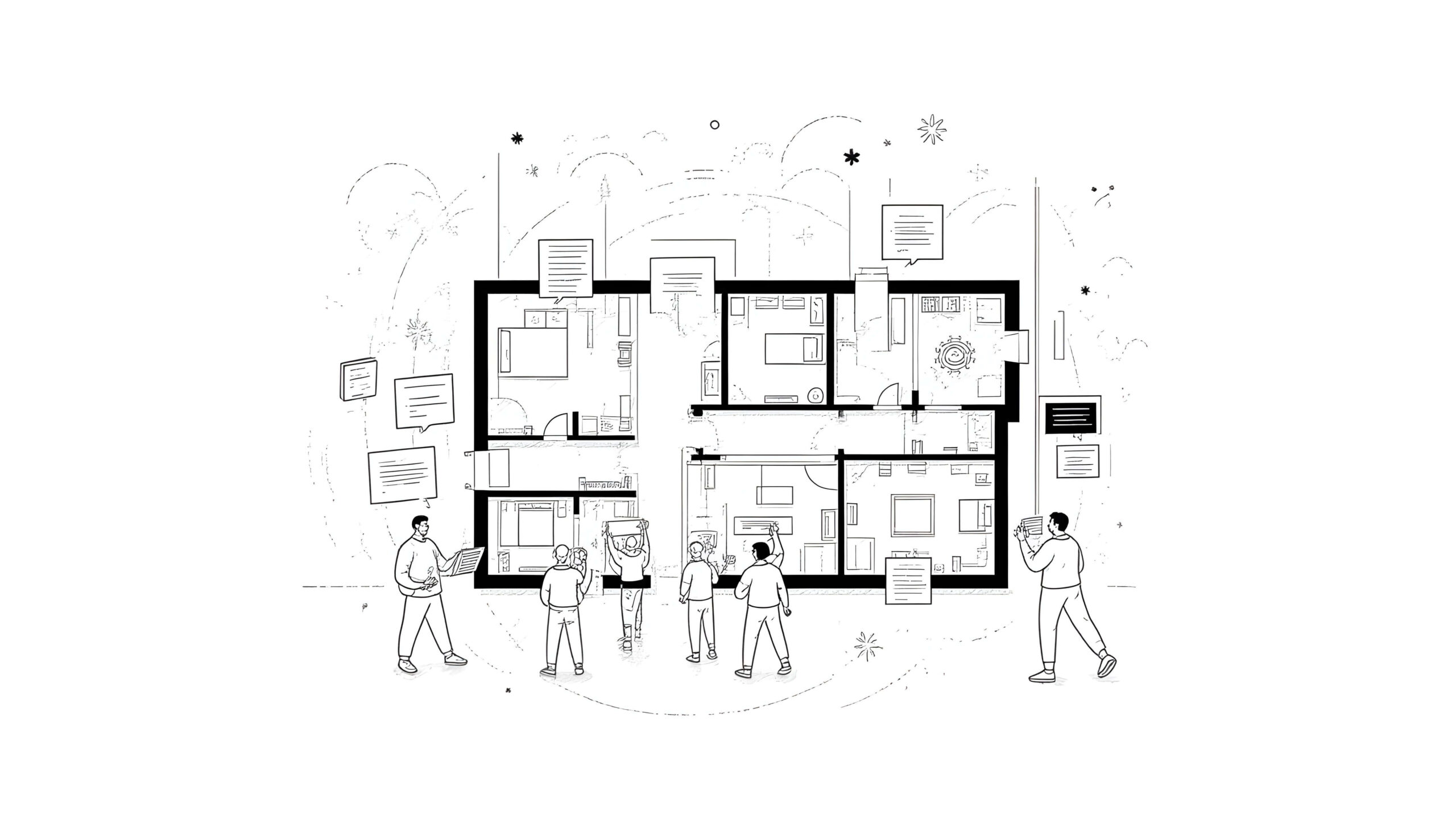
Floor plans in real estate listings boost click-through rates by 52%. These visual tools have become vital in modern property marketing and changed how buyers assess potential homes.
According to industry insights, 55% of buyers find floor plans ‘very helpful’ while house hunting. Buyers are 80% more likely to schedule a viewing when listings show floor plans. These numbers prove why floor plans have grown from basic sketches into a vital selling point.
This piece will show you how professional floor plans affect property sales. You’ll learn the key elements that make them work and the steps to create them. Real estate agents who want to improve their listings or property owners getting ready to sell will find how floor plans can make their marketing strategy better.
Why Floor Plans Matter in Real Estate Sales
Professional real estate floor plans are a vital marketing tool. Recent studies highlight their remarkable effect on property listings. Floor plans stand as the third most valuable website feature that home buyers look for.
52% Higher Click-Through Rate on Listings
Properties with floor plans perform better than those without them. Research shows these listings get 52% more click-throughs from potential buyers. Buyers view floor plans 7.5 times more frequently than property maps. (source)
Reduced Time Spent on Unqualified Showings
Floor plans make the property viewing process efficient by filtering out unqualified prospects. Here’s how floor plans affect property viewings:
- All but one of these buyers schedule viewings only after seeing a floor plan
- One in five buyers skip listings that don’t include floor plans
- Properties with floor plans sell 50% faster on the market
Better Buyer Decision Making Process
Floor plans are the foundations of a buyer’s decision-making experience. 51% of buyers use floor plans actively when making decisions. 93% of buyers spend more time looking at property listings with floor plans. (source)
These benefits go beyond generating interest. Floor plans help buyers visualize room layouts, plan furniture placement, and understand the property’s flow. This guides them to make informed decisions, creating confident buyers who can picture their life in the space.
Real estate professionals can boost their listings with our 2D floor plan services. We create detailed, accurate representations that deliver all these benefits. Learn more about our professional 2D floor plan service.
Essential Elements of Professional Floor Plans
Professional real estate floor plans need three key components that make them accurate and usable.
Accurate Room Measurements
High-quality measurement tools give precise dimensions that meet industry standards. These systems measure distances with 0.5% accuracy and calculate square footage within 1%. The most dependable tools include:
- Laser measuring devices
- Professional-grade PLANIX camera systems
- Traditional measuring tape for detail work
Clear Room Labels and Flow Indicators
Room labels guide people through floor plans. Each space needs clear, readable labels that fit naturally within the layout. These labels show:
The room’s purpose (bedroom, kitchen, bathroom) How spaces connect Entry and exit points between rooms
Flow indicators show buyers how spaces work together. These markers highlight traffic patterns and natural movement through the property.
Property Features and Fixed Elements
Fixed elements and architectural details make floor plans authentic. They include:
Structural Components: Wall thickness that shows available floor space Door movements – inward, outward, or sliding Window locations with trim and molding details
Built-in Features: Kitchen fixtures with cabinets, countertops, and appliances Bathroom elements like sinks, toilets, and showers Storage solutions such as built-in bookcases and closets
These fixed elements help buyers see where furniture fits and understand each space’s function.
Creating Floor Plans: Step-by-Step Process
Professional real estate floor plan creation starts with systematic planning and precise execution. A well-laid-out approach will give accurate and efficient documentation process.
Original Property Survey
A thorough property walkthrough helps establish the simple layout and identify key architectural features before measurements begin. Professionals document fixed elements like built-in furniture, electrical outlets, and structural components. A rough property layout sketch helps identify potential challenges and makes the measuring process smoother instead of rushing into measurements.
Measurement Collection Methods
Accurate measurements are the foundations of professional floor plans. Modern measurement techniques combine multiple tools to achieve optimal precision:
- Laser distance meters to get quick, accurate room dimensions
- Traditional tape measures for detailed areas and irregular spaces
- Digital floor plan apps with Bluetooth connectivity for immediate data capture
Laser measuring devices have revolutionized the workflow. These tools measure large spaces in seconds. They sync measurements directly to tablets or smartphones for immediate digital recording and provide better accuracy.
Digital Conversion Techniques
Raw data transforms into polished floor plans through the conversion process. Professional conversion services use advanced software to ensure precision and consistency.
The digital conversion process works with different output formats, including JPEG, PNG, and DWG files. Modern software makes the process quick while maintaining strict accuracy standards, unlike traditional methods that needed extensive manual work. The final product delivers both precision and visual appeal that makes it a powerful marketing tool for property listings.
Floor Plan Types and Their Uses
Real estate floor plans come in a variety of formats. Each format serves a unique purpose in property marketing and visualization. Real estate professionals can choose the right option that fits their needs by understanding these different types.
2D Black and White Plans
Traditional 2D black and white floor plans are the life-blood of property documentation because of their clarity and universal understanding. These plans show precise technical information such as structural components, wall dimensions, and fixed elements. They work best for:
- Architectural documentation and permits
- Property records and legal requirements
- Original design drafts and iterations
- Economical marketing materials
All the same, 2D black and white plans are easy to read and don’t need special training. Without doubt, real estate professionals with tight deadlines or budget constraints find them practical because they’re economical and quick to produce.
Color-Coded Layout Plans
Color-coded floor plans raise property visualization by using colors strategically to define different zones and functions. Buyers quickly learn how interior spaces work together. Colors make it easier to understand:
Room types and purposes Functional zones within the property Space allocation and organization Flow between different areas
These plans help projects become a soaring win by creating clear communication between sellers and potential buyers. Prospects can quickly decide if a property meets their layout needs, which speeds up the sales process.
Realistic Floor Plans
Realistic floor plans offer a visually engaging way to present properties by incorporating textures, furniture, and depth. These plans bridge the gap between technical drawings and photorealistic renderings, helping buyers easily visualize how a space will look and feel when furnished. They are particularly effective for:
- Marketing high-end properties
- Showcasing interior design potential
- Enhancing online property listings
- Providing a more immersive buyer experience
By adding shading, flooring details, and furniture arrangements, realistic floor plans create an emotional connection with buyers, making them an essential tool for real estate marketing.
Interactive Digital Plans
Interactive floor plans showcase the newest advances in property visualization technology and offer tailored experiences for potential buyers. These plans get 78% more saves on listing sites compared to traditional formats. The original design for online platforms lets users:
Click through different rooms View high-resolution photographs of selected areas Understand photo orientation within the overall layout Experience virtual property tours
Studies show 70% of sellers prefer agents who include interactive floor plans in their marketing services. These plans sync automatically with major real estate platforms, which boosts visibility and involvement in multiple channels.
Integrating Floor Plans in Marketing
Marketing strategies work best when floor plans are integrated with the right technical specs and promotional tactics. You need to know how to use these valuable assets on different platforms to maximize their effect on potential buyers.
Social Media Promotion Strategies
Social media platforms are a great way to get the most out of floor plans. Each platform needs its own approach to boost engagement. Facebook tops the list with 87% of realtors using it for marketing, and Instagram follows at 62%.
Platform-Specific Approaches:
Facebook:
- Use targeted ads based on demographics and behaviors
- Run retargeting ads to connect with interested users again
- Build local groups that focus on community engagement
Instagram:
- Post high-quality visuals that highlight property layouts
- Create Stories and Reels showing behind-the-scenes property tours
- Keep branding consistent across floor plan posts
YouTube and TikTok let agents get creative with floor plan presentations. Agents can show how spaces connect naturally, plus YouTube videos show up in search results and boost SEO efforts.
Floor plans get 7.5 times more views than property maps. These numbers go up when you pair them with high-quality images and compelling property descriptions.
Your floor plan marketing should include these elements on any platform:
- Transform 2D plans into immersive experiences with 3D visualizations for real estate, bringing properties to life with greater depth and detail.
- Narrated walkthroughs that showcase distinctive design features
- Virtual staging tools that show potential furniture arrangements
Even the best floor plans need a complete marketing strategy to tap into their full potential. Working with marketing teams helps tell compelling property stories through creative tools and media.
To get professional help with detailed floor plans that improve your marketing strategy, check out Redraw Plan´s services.
Conclusion
Professional floor plans are powerful tools that revolutionize modern real estate marketing by turning property listings into visual stories. The numbers speak for themselves – properties with floor plans get 52% more click-throughs and sell twice as fast as those without them.
This piece covers everything in floor plans that matter. Your floor plans need accurate measurements, clear labels, and detailed property features to work well. You can create precise, high-quality floor plans by combining old-school methods with new technology.
Floor plans come in many styles – from basic black and white layouts to realistic floor plans. Each style has its own advantages. Real estate professionals can pick what works best for their needs. The quickest way to get results is to use these plans across marketing channels.
Real estate professionals who use professional floor plans have a clear edge in today’s competitive market. Their properties attract qualified buyers, boost engagement, and sell faster than properties without detailed layouts.
Want to boost your property listings with professional floor plans? Check out our detailed 2D floor plan services at Redraw Plan and take your property marketing to the next level today.